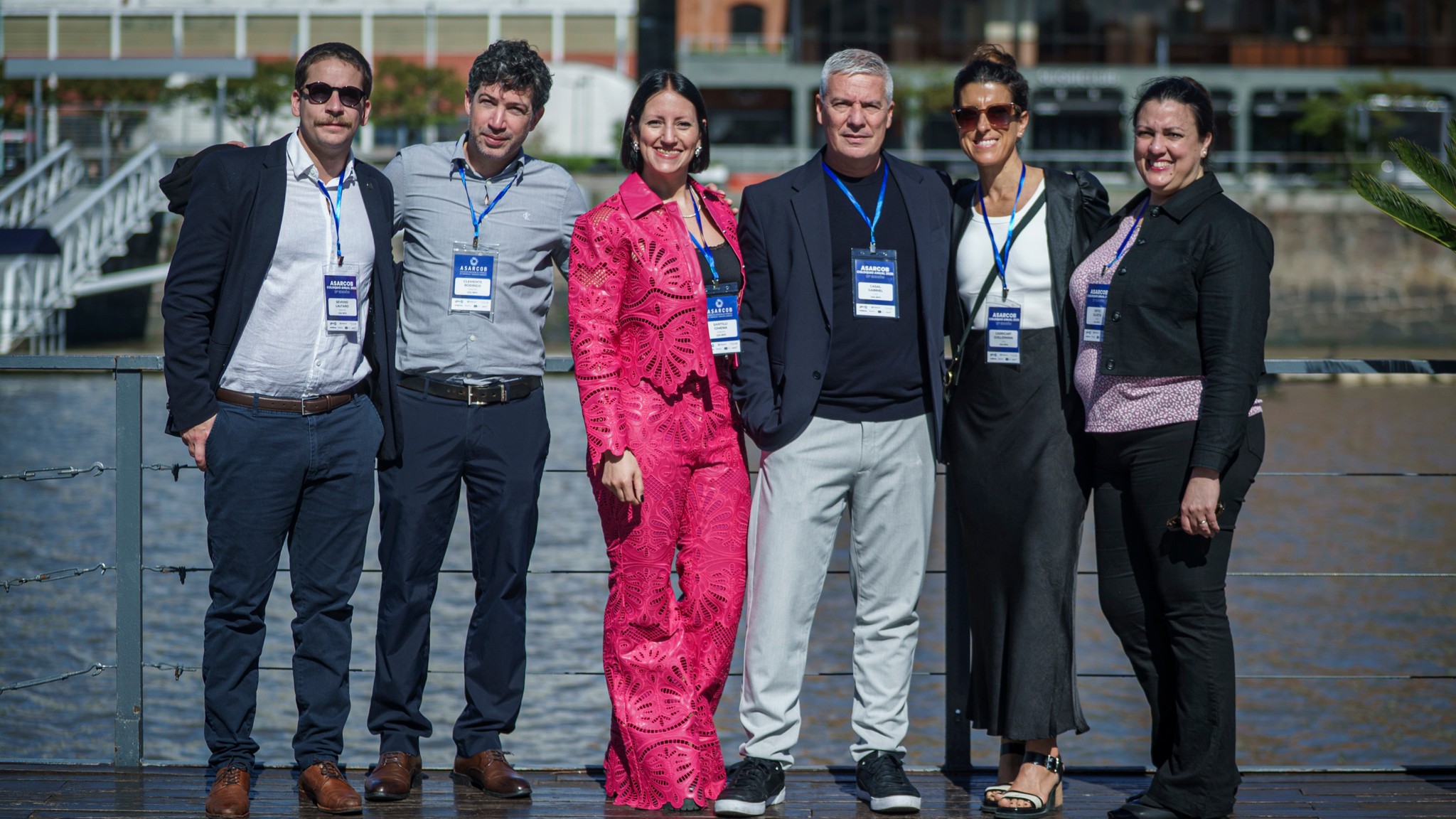
Two questions come up in almost every conversation with companies: where is the economy heading, and how is work changing, especially for the new generations? In a contact center, they cross paths every single day. We want to share a few ideas we heard from two specialists at the 12th ASARCOB Colloquium, where we took part.
An economy that is getting in order, but with little room to maneuver
Esteban Domecq, from Invecq Consultora Económica, presented "Navigating the 2026/27 Trilemma" ("Transitando el trilema 2026/27"). His assessment: the macroeconomy has been getting in order, with a primary fiscal surplus for the third consecutive year, inflation far below the peaks of 2023 and a Central Bank that is once again accumulating reserves.
But constraints remain. With an election year in 2027 and little room to maneuver, the projections showed inflation that is still high and moderate growth, with sectors moving at very different speeds. For companies, the message was clear: there are no one-size-fits-all recipes. They need to consolidate stability, manage the transition between sectors and build their own competitive advantages.
Work is changing faster than it seems
Patricia Jebsen, a leadership specialist, spoke about "Young People and the World of Work" ("Los jóvenes y el mundo del trabajo") with data that makes you think. According to the World Economic Forum, 44% of workers' key skills will change in the next five years. As for the new generations, 73% of Gen Z choose jobs with a clear purpose, and 76% leave a company if they don't see real development opportunities in their first year.
Add to that artificial intelligence: two out of three Argentines already use it, above the global average.
AI doesn't replace everything: it changes where we put our time
Patricia proposed a simple framework, the three cubes. In the first are the tasks AI can do on its own: repetitive, rule-based ones. In the second, those that are best solved by a person and AI together, because they require judgment and context. In the third, what is exclusively human: emotional intelligence, creativity, leadership and ethical judgment.
The goal is not to eliminate the first cube, but to move more and more time toward the other two. And for that, five skills: curiosity, courage, compassion, creativity and communication. One phrase summed it all up: it is not the one who knows the most who will survive, but the one who learns the best.
How we experience it at GSA BPO
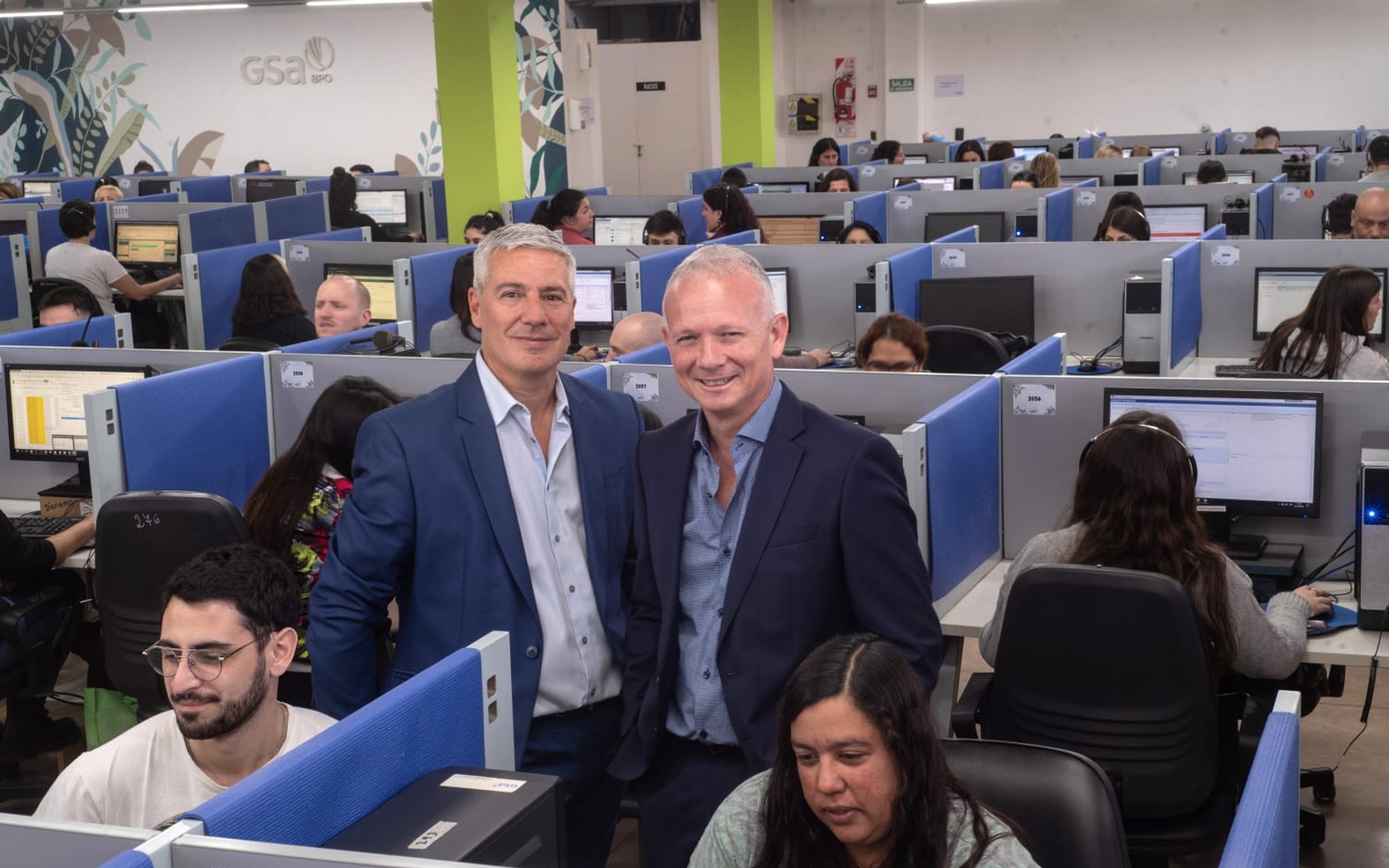
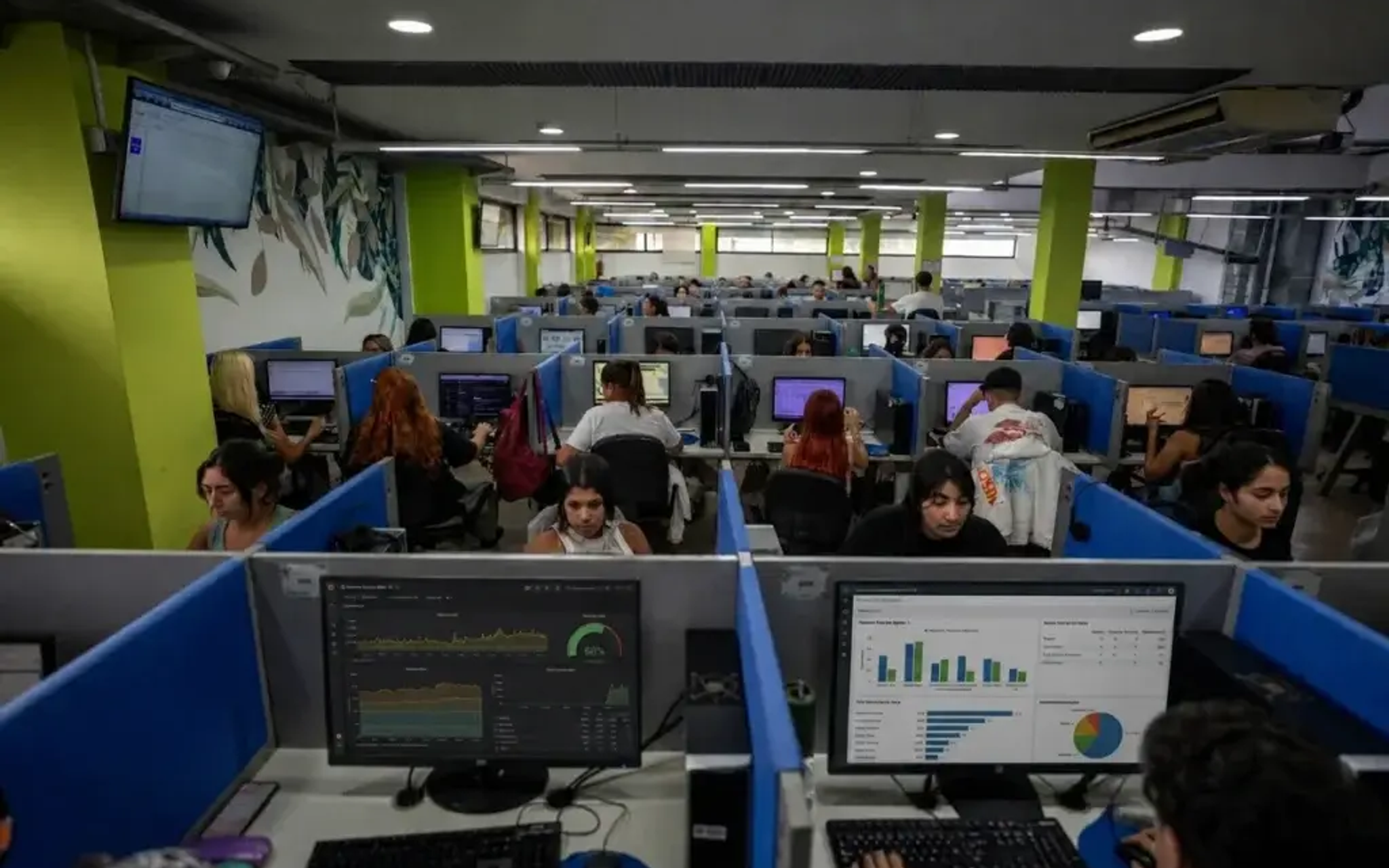
In our operation we see the same thing every day. Technology automates the repetitive and frees teams to listen, empathize and solve what truly matters. And the challenge of working with teams of different generations is met with purpose, real development and clear communication.
Taking part in industry gatherings lets us bring new knowledge to our clients and to each of our operations. Because in a context that changes so fast, what doesn't change is that every contact counts.
People remain at the center of transformation, and industry gatherings are one of the best ways to keep learning together.